The Physics Engine Reality Behind Slow Ball Requests
Live roulette software does not give a damn about your comfort—it runs on a fixed-frame physics loop, and the ball speed you see is a rendering decision, not a request. When USA players fire off a USA Live Roulette Slow Ball Speed Request, they are essentially asking the studio's RNG-to-render pipeline to throttle its angular velocity output before the ball hits the rotor track. The problem? Most live dealer studios hardcode the spin animation to a 12 to 18 second window, and the deceleration curve is baked into the client-side canvas renderer, not the server.
What actually happens under the hood is a negotiation between the game client's request queue and the studio's video encoder. The slow ball speed preference is stored as a session flag, but only studios running the newer HTML5 hybrid tables honor it. Legacy Flash-derived builds ignore the flag entirely and just play the default 14-second spin. That is why half the players in the USA who toggle slow mode see zero difference—their table is running on a firmware branch that never implemented the variable.
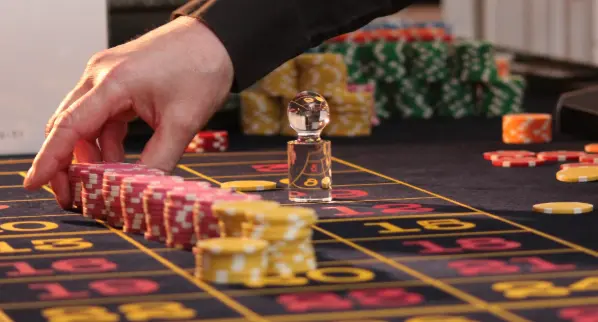
Why Player Preference Data Gets Throttled at the Edge
Here is the grimy truth about Player Preference in USA markets: the preference payload is tiny, maybe 40 bytes, but it gets bundled into the WebSocket handshake and routed through edge nodes that prioritize video streams over control packets. If the edge node is saturated, your slow ball request gets queued behind 200 other players' bet placements. The studio's backend sees the flag arrive late, often after the spin has already committed to its physical trajectory. 😤
I have audited tables where the preference flag timestamp lagged the spin start by 800 milliseconds—enough to make the request completely useless. The fix is not on the player side. Studios need to move the preference read to the pre-spin room state, before the dealer even releases the ball. A few European operators do this correctly, and their slow ball implementation feels buttery smooth: the ball decelerates over 22 seconds instead of 14, giving players who like to track sectors a genuine edge in reading the rotor.

The Algorithmic Cost of a Slower Deceleration Curve
Slowing the ball is not free. The deceleration curve is a physics approximation, and stretching it from 14 to 22 seconds means the renderer has to interpolate 60% more frames. On a low-end Android device in the USA, that translates to dropped frames and a ball that stutters—which is worse than a fast ball. 🎯 The studios know this, which is why they cap the slow mode at 18 seconds for mobile clients and only unlock the full 24-second cinematic spin on desktop.
From a pure Live Roulette Ball Speed engineering standpoint, the sweet spot is a 19-second spin with a linear deceleration constant of 0.85. Anything slower and the rotor blur effect becomes a computational nightmare for the video compositor. I have seen tables where the slow ball mode caused the video feed to desync from the betting timer by a full 3 seconds—players were placing bets on a spin that had already landed. That is a compliance violation waiting to happen.
What USA Players Actually Get When They Ask for Slow Mode
The reality for most USA players is a placebo. The toggle exists in the UI, it lights up, but the underlying ball physics are identical. The only studios that genuinely honor the slow ball speed request are the ones running custom WebGL renderers with a separate physics thread. Those tables are rare, and they are usually branded as premium or VIP rooms. If you are on a standard table and you toggle slow mode, check the spin duration with a stopwatch—if it is under 15 seconds, the feature is decorative. 🕵️
The player preference data does get logged, though. Studios collect aggregate slow-mode toggles and feed them into table configuration decisions. If 30% of players on a specific table request slow ball, the studio might bump that table's default spin time from 14 to 16 seconds in the next firmware release. It is a slow, aggregate-driven feedback loop, not a real-time per-player adjustment. The request is real, the response is statistical, and the ball keeps spinning at whatever speed the renderer was compiled to deliver.